

What Makes a High-Quality THC Beverage Brand
Quality Is More Than a Label
As the THC beverage category grows, so does the range of products competing for attention. Not all of them are created equal. A high-quality THC beverage brand isn’t defined by a single claim or flashy design. It’s defined by a pattern of decisions that show up consistently across formulation, transparency, distribution, and long-term commitment to the consumer.
Understanding those signals helps separate brands built for the moment from those built to last.
Transparency Starts with the COA
One of the clearest indicators of quality is access to a Certificate of Analysis, commonly known as a COA.
A COA is a third-party lab report that verifies what’s actually in the product. It typically confirms:
- THC content per serving and per container
- Compliance with legal thresholds
- Testing for contaminants such as heavy metals, pesticides, residual solvents, and microbes
High-quality brands make COAs easy to find (a regulatory must have). They are not buried or treated as optional. They are part of the buying experience. In a category that is still evolving from a regulatory standpoint, transparency is not a nice-to-have. It is foundational.
If a brand avoids sharing testing information or makes it difficult to access, that’s a signal worth paying attention to.
Consistent Formulation and Experience
Quality also shows up in how a product performs, not just how it’s marketed.
A well-made THC beverage should deliver:
- Consistent dosing from sip to sip
- Reliable flavor from batch to batch
- Predictable onset and duration relative to its format
This requires investment in formulation, emulsification, and quality control. It’s not something that happens by accident. Brands that take shortcuts here often show it through inconsistency, separation, or unpredictable experiences.
Consistency builds trust. And trust is what turns a first-time buyer into a repeat customer.
Product Expansion as a Signal of Strength
Another strong indicator of brand quality is thoughtful product expansion.
Launching one good product is hard. Launching multiple products successfully over time is even harder. It requires operational discipline, consumer feedback loops, and confidence in the brand’s foundation.
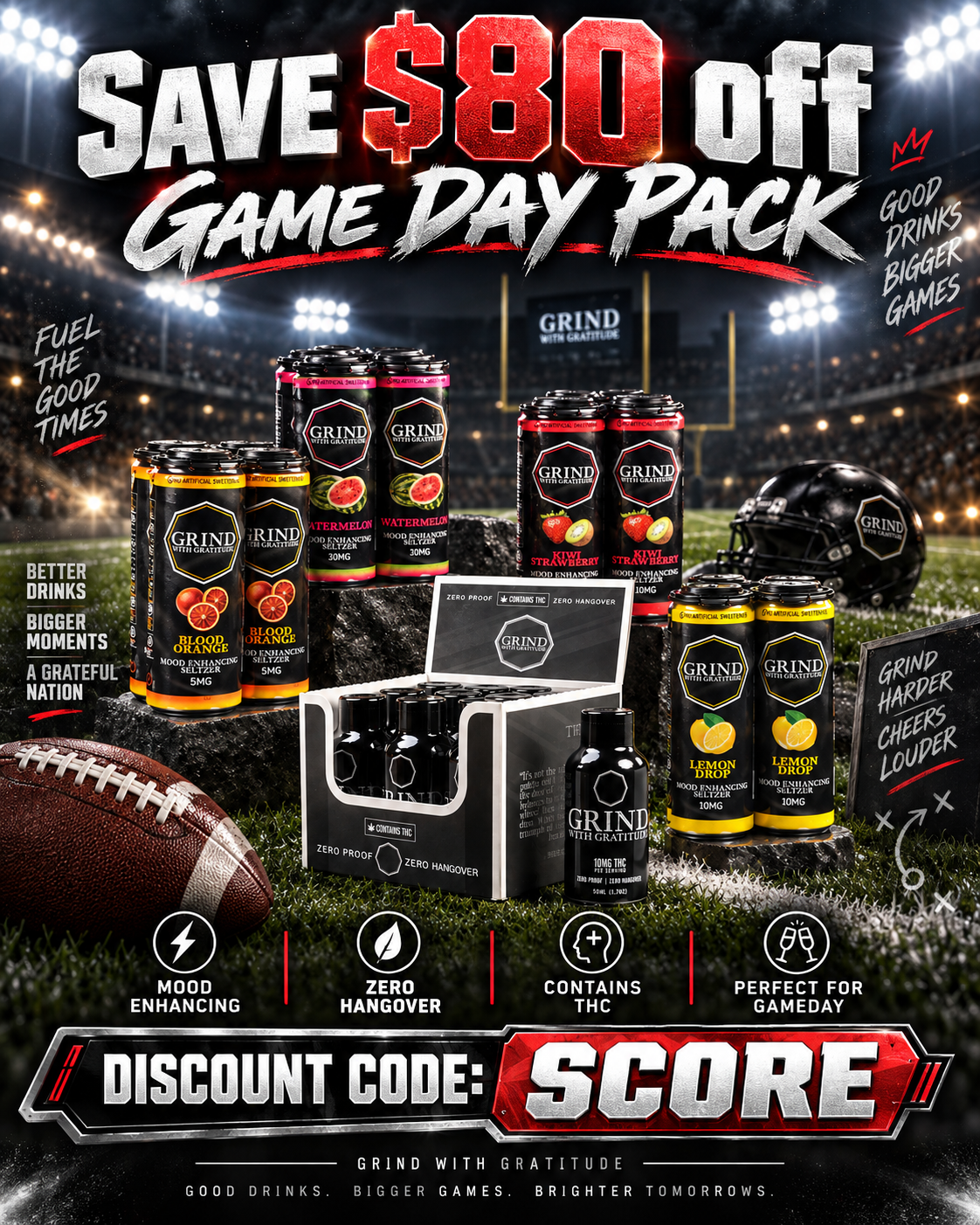
Brands like Grind With Gratitude demonstrate this through expansion beyond single-serve seltzers into larger formats like 750ml bottles, along with new flavors that reflect how customers actually use the product. Expansion done right is not about flooding the market. It’s about meeting demand with intention and consistency.
When a brand continues to release products that resonate, it’s usually because the core is strong.
Where a Brand Shows Up Matters
Distribution tells a story.
Point of sale placement, such as end-cap displays or prominent shelf positioning, doesn’t happen randomly. Retailers make deliberate decisions about what they feature, based on sales performance, brand reliability, and consumer trust.
Similarly, on-premise availability in restaurants, bars, and hospitality settings is another strong signal. These environments are selective. Products must meet standards for consistency, presentation, and guest experience. Being served in these settings suggests that a brand has earned the confidence of industry professionals who stake their reputation on what they offer.
When a THC beverage brand appears across:
- Direct-to-consumer channels
- Retail shelves with strong visibility
- Prestigious on-premise locations
It’s usually because multiple independent decision-makers have vetted and supported it.
Education and Responsibility
High-quality brands don’t just sell products. They educate.
This includes:
- Clear guidance on dosing and pacing
- Responsible use messaging
- Accessible explanations of how products are made
- Honest discussion of variability and personal tolerance
In a category where many consumers are still learning, education builds long-term loyalty and reduces negative experiences. Brands that invest in education tend to be more aligned with consumer well-being rather than short-term hype.
Long-Term Thinking in an Evolving Category
The THC beverage space continues to change. Regulations evolve. Consumer expectations rise. New formats emerge. Brands that stand out are those planning for the long term. They invest in compliance, adapt to new rules, and continue innovating even when uncertainty exists. That kind of resilience is rarely visible on the label, but it shows up in consistency, availability, and trust over time.
Putting It All Together
A high-quality THC beverage brand is rarely defined by a single factor. It’s the combination of:
- Transparent testing and COAs
- Consistent formulation
- Thoughtful product expansion
- Strong retail and on-premise presence
- Ongoing education and responsibility
When those elements align, the result is a brand that feels credible, intentional, and built for longevity.
That’s what consumers are increasingly looking for, and it’s what will continue to separate leaders from the rest as the category evolves.