
Why Beverages Are the Fastest-Growing THC Category
A Category Hitting Its Stride
THC beverages are no longer a fringe experiment. They have become one of the fastest-growing segments in the broader THC category, driven by shifting consumer preferences, regulatory openings, and a demand for alternatives that feel more familiar and intentional.
Unlike many traditional THC formats, beverages fit naturally into routines people already understand. Opening a can. Pouring a drink. Sharing something social. That familiarity has lowered the barrier to entry and helped beverages reach consumers who may never have considered smoking or vaping.
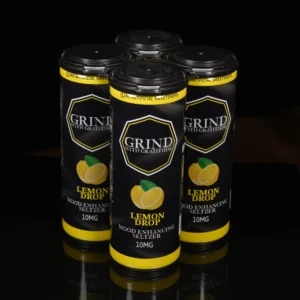
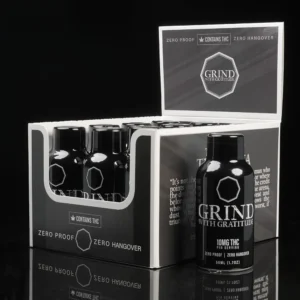
Brands like Grind With Gratitude were built within this shift, focused on creating alcohol-free THC seltzers that feel lifestyle-first rather than intimidating or overly technical. Seeing those products become top sellers at retailers like Total Wine & More reflects how quickly the category has moved into the mainstream.

The Role of the 2018 Farm Bill
The rapid expansion of THC beverages is closely tied to the 2018 Farm Bill, which federally legalized hemp and hemp-derived compounds containing no more than 0.3 percent Delta-9 THC by dry weight. That definition created a legal pathway for hemp-derived THC products to be produced and distributed beyond traditional cannabis markets.
For beverages, this mattered enormously. The Farm Bill allowed THC drinks to be sold in many states where marijuana remains restricted, opening access to broader retail channels and new consumer audiences. At the same time, it encouraged innovation, pushing brands to develop formulations that were consistent, compliant, and scalable.
That said, the landscape is not uniform. While hemp-derived THC is federally legal under specific guidelines, packaging, labeling, marketing, and distribution rules can still vary from state to state. Some states apply additional restrictions or interpret the law differently, which can affect how and where products are sold. If you’re interested in this category, it’s always a good idea to understand the regulations in your own state. Many of the articles across this site explore those nuances in more detail, so if you’re curious, keep reading.
As a result of this evolving framework, hemp-derived THC beverages have moved quickly from niche offerings into grocery-adjacent retail, specialty shops, and hospitality environments across multiple states, even as the rules continue to take shape.
Why Beverages Are Winning with Consumers
Several factors have helped beverages pull ahead of other formats.
- They feel familiar.
- They are easier to pace.
- They fit social settings naturally.
For many consumers, THC drinks feel closer to having a beer or a seltzer than consuming a traditional cannabis product. That familiarity reduces hesitation and makes beverages more approachable for first-time users.
Beverages also align with broader lifestyle trends around moderation, alcohol alternatives, and intentional consumption. People want options that let them participate socially without committing to a long-lasting or overly intense experience.
How THC Beverages Reach Consumers
Another reason this category is growing quickly is the flexibility of how THC beverages are sold and consumed.
Direct to Consumer (DTC)
DTC allows consumers to order online and have products shipped directly to their door where permitted. This channel supports education, transparency, and discovery, giving brands a way to tell their story and provide access to Certificates of Analysis, ingredient details, and usage guidance.
Point of Sale (Retail Pickup)
Retail distribution puts THC beverages in front of consumers who may not be actively searching for them. Seeing a product on a shelf at a trusted retailer lowers friction and builds credibility. This is where brands like Grind With Gratitude have seen strong momentum, especially in established retail environments.
On-Premise (Restaurants and Bars)
On-premise is one of the most exciting frontiers for THC beverages. Ordering a THC drink alongside food in a familiar hospitality setting helps normalize the category and introduces it in a controlled, social environment. While still evolving, this channel represents significant long-term potential.
Each channel plays a different role, and together they create a distribution ecosystem that few other THC formats can match.
Momentum with an Eye on the Future
Despite the growth, the THC beverage category is still evolving. Regulations continue to develop at the state and federal level, and future policy changes could reshape how products are made, marketed, or distributed.
One date that often comes up in industry discussions is November 12, 2026, when certain federal provisions tied to hemp regulation are scheduled for review or potential change. While outcomes are not guaranteed and much remains uncertain, it is widely understood that the category could face disruption depending on how lawmakers choose to proceed.
For brands and consumers alike, this makes education, transparency, and adaptability more important than ever.
Why the Growth Still Matters
Even with regulatory uncertainty, the rise of THC beverages reflects a real change in consumer behavior. People are asking for products that feel balanced, social, and intentional. Beverages meet those needs in a way few other formats do.
That combination of familiarity, flexibility, and cultural fit is why THC beverages continue to outpace other categories and why brands like Grind With Gratitude are investing in doing it the right way.
What’s Next in This Hub
Next, we’ll look ahead and explore where the category is going, how innovation is shaping the space, and what the future of THC beverages may look like.
The Future of THC Beverages