
The Future of THC Beverages
A Category That’s Still Being Defined
The future of THC beverages is being shaped not just by emerging brands, but by some of the world’s largest beverage companies paying close attention. In late 2018, Anheuser-Busch, through its Canadian subsidiary Labatt Breweries of Canada, entered a research partnership with Tilray Brands to explore non-alcoholic, cannabis-infused beverages containing THC and CBD. That move was an early signal that this category was more than a trend. It was the beginning of a structural shift in how beverage companies think about the future of consumption.
What started with simple seltzers has quickly expanded into a broader ecosystem of formats, flavors, and use cases that look far more like the traditional beverage industry consumers already understand. As education improves and comfort grows, people are no longer just asking whether THC beverages exist. They’re asking how they fit into daily routines, social settings, and intentional moments. That shift in expectations is what continues to push the category forward.

Beyond the Can: The Rise of 750ml Formats
One of the most exciting evolutions in the space is the move beyond single-serve cans into 750ml bottles that function more like traditional spirits. These formats open up an entirely new way to think about THC beverages.
Larger-format bottles allow for:
- More precise, controlled dosing
- Flexible consumption over multiple occasions
- Mixing and recipe creation
- A familiar ritual for people used to pouring drinks
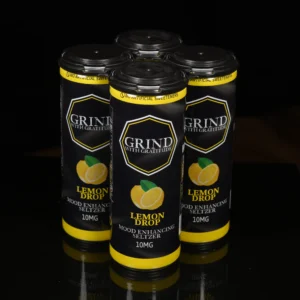
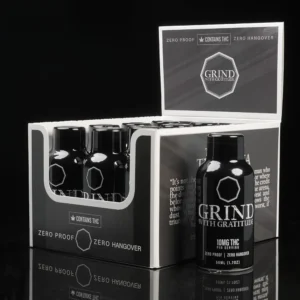
At Grind With Gratitude, this evolution is already well underway. The brand’s flagship citrus 750ml bottle was designed to offer versatility and intention, whether that means a small measured pour or experimenting with mixers at home. The upcoming Tyger’s Blood flavor, one of the most anticipated releases to date, continues that approach by leaning into bold flavor and creative potential rather than novelty.
This shift signals where the category is headed. THC beverages are becoming less about replacement and more about choice.
Flavor, Function, and Experience
Flavor innovation has accelerated alongside format evolution. Early THC drinks focused on masking bitterness or minimizing taste. Today, flavor is a feature, not a workaround.
Consumers want:
- Clean, modern flavor profiles
- Consistency from pour to pour
- Products that work on their own or as mixers
This mirrors how other beverage categories matured over time. As standards rise, brands are pushed to deliver not just compliance, but craftsmanship.
Platforms, Access, and How People Discover Products
The future of THC beverages is also being shaped by where and how people encounter them. Direct-to-consumer platforms continue to improve education and transparency. Retail point-of-sale builds trust through visibility and familiarity. On-premise environments like restaurants and bars introduce THC beverages in controlled, social settings.
Together, these channels are helping normalize the category and expand its reach in ways that were not possible with traditional cannabis products.
Innovation Amid Uncertainty
No conversation about the future would be complete without acknowledging regulatory uncertainty. The hemp-derived THC space continues to evolve, and November 12, 2026 is often referenced as a potential inflection point tied to federal review timelines. While outcomes remain unclear, it’s widely understood that policy changes could impact how the category operates moving forward.
That uncertainty, however, has not slowed innovation. In fact, for brands committed to transparency, quality, and compliance, it has reinforced the importance of doing things the right way.
Brands like Grind With Gratitude have continued to invest in new products, new formats, and new flavors because consumer demand hasn’t paused. If anything, it’s grown. Confidence in the category comes from listening to customers and building products that meet them where they are, regardless of the noise.
Why the Future Still Looks Bright
Even with open questions around regulation, the fundamentals remain strong. Consumers want alternatives. They want control. They want products that feel familiar, social, and intentional.
THC beverages are delivering on those expectations in ways that other formats struggle to match. That’s why innovation continues, why shelves keep expanding, and why the category is still moving forward.
The future of THC beverages isn’t about one product or one brand. It’s about an evolving relationship between consumers and how they choose to unwind, connect, and participate.
What’s Next in This Hub
Next, we’ll take a closer look at why more consumers are moving away from smoking and what that shift says about changing preferences.
Why Consumers Are Moving Away from Smoking