
THC Drinks vs Gummies vs Vapes
THC Drinks vs Gummies vs Vapes: An Evolving Set of Choices
THC no longer comes in just one form, and neither does the experience. Today’s consumers can choose from drinks, gummies, vapes, and other formats, each of which delivers THC differently and can feel very different from person to person. Body chemistry, tolerance, health history, and lifestyle all play a role, which means results will always vary.
What follows is meant to help frame those differences, not define outcomes. If you have questions or concerns about how THC may affect you, whether in the short or long term, there is nothing wrong with consulting your primary care physician before trying a new product. Thoughtful decisions start with understanding your own comfort level.
With that context in mind, comparing how THC drinks, gummies, and vapes work can help clarify why one format may feel better suited to your needs than another.

THC Beverages
The rapid growth of THC beverages did not happen by accident. A major catalyst was the 2018 Farm Bill, which federally legalized hemp and hemp-derived compounds, provided they contain no more than 0.3% Delta-9 THC by dry weight. That distinction created a legal framework for hemp-derived THC products, including beverages, to be produced and sold in states where traditional cannabis remains restricted. For the first time, brands could innovate within a federally recognized definition of hemp, opening the door to new formats that felt more familiar, approachable, and socially acceptable than smoking or traditional edibles.
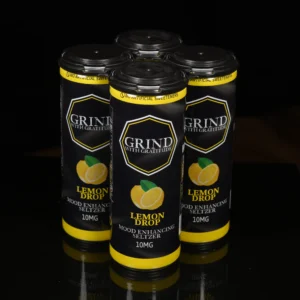
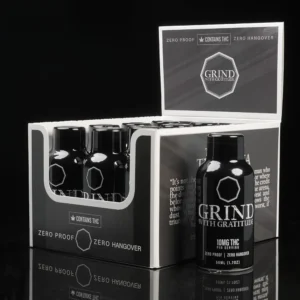
Since then, the category has evolved quickly. Advances in formulation, testing, and distribution have allowed THC beverages to move beyond novelty and into mainstream retail environments. Consumers looking for alcohol alternatives, more control over dosing, and products that fit seamlessly into social settings have helped accelerate adoption. Brands like Grind with Gratitude emerged within this shift, built around the idea that THC beverages could be intentional, transparent, and lifestyle-driven rather than intimidating or recreationally extreme. As regulations continue to develop at the state level, the momentum behind beverages reflects a broader change in how people think about THC and how they choose to incorporate it into their lives.
What stands out about drinks
- Onset is often faster than traditional edibles
- Effects tend to build gradually rather than spike
- Dosing can feel more controllable for many users
- Fits naturally into social settings
- No smoke, vapor, or lingering smell
From my experience, beverages feel closer to having a drink than consuming a traditional cannabis product. They are easy to pace, familiar in form, and often more approachable for people new to THC.
Tradeoffs to consider
- Effects still take time to fully develop
- Results vary based on formulation and individual response
- Requires patience to avoid consuming too much too quickly
THC Gummies
Gummies are one of the most common THC edibles because they check a lot of practical boxes. They are familiar, portable, discreet, and easy to portion. For many consumers, gummies feel like a simpler entry point than smoking, vaping, or even beverages because the dosing is usually pre-set per piece and the routine is straightforward.
From a production standpoint, gummies are typically made using a base like gelatin or pectin (often used for vegan gummies), plus flavoring and sweeteners, and then infused with a measured THC extract. Since THC is oil-based, manufacturers rely on formulation techniques to distribute it evenly through the batch so that one gummy does not hit noticeably harder than another. In well-made products, the goal is consistency and predictability, meaning each piece should match the stated milligrams as closely as possible.
Historically, gummies became a go-to format in regulated cannabis markets because they offered a smoke-free, approachable way to consume THC with controlled dosing. More recently, the hemp-derived THC space has expanded access to gummies in many areas where traditional cannabis products are still limited. That growth also means quality can vary widely from brand to brand, which is why transparency, consistent dosing, and third-party testing matter. Gummies can be a great option, but they reward patience because onset is often delayed compared to inhalation and can feel more intense than expected if someone takes more before the first dose fully kicks in.
What stands out about gummies
- Precise, pre-measured dosing
- Discreet and shelf-stable
- Long-lasting effects for many users
Tradeoffs to consider
- Onset can take longer, often 45 to 90 minutes
- Effects may feel less predictable, especially for new users
- Easier to accidentally overconsume due to delayed onset
Because gummies are processed through digestion and the liver, the experience can feel stronger or longer-lasting than expected for some people. This makes patience especially important.
THC Vapes
Vapes deliver THC through inhalation, which is why they produce the fastest onset of all the major THC formats. Effects are often felt within minutes, making vaping appealing to consumers who prioritize immediacy or want tighter moment-to-moment control over how much they consume.
From a production standpoint, THC vape products typically use concentrated cannabis or hemp extracts that are heated into an aerosol and inhaled. Because the lungs absorb compounds directly into the bloodstream, the experience tends to feel more immediate and pronounced compared to edibles or beverages. That same efficiency, however, can make dosing harder to gauge, especially for newer users, since effects arrive quickly and can spike before someone has time to adjust.
In recent years, vaping has also drawn increased scrutiny from researchers and public health organizations. While much of the concern has centered on unregulated or illicit products, particularly those linked to additives or contaminants, ongoing research continues to examine the long-term impact of inhaling vaporized substances. This has led many consumers to reassess how often and where vaping fits into their routine, especially in shared or indoor environments where secondhand exposure can affect others.
For some, vaping remains a preferred option because of its speed and familiarity. For others, those same qualities feel abrupt or less aligned with a more intentional, social, or wellness-oriented approach. As the THC category evolves, these considerations are part of why many consumers are exploring alternatives that feel more measured and easier to integrate into everyday life.
What stands out about vapes
- Near-immediate effects
- Easy to adjust dose in small increments
- Familiar to long-time cannabis users
Tradeoffs to consider
- Shorter duration compared to edibles or beverages
- Effects can spike quickly
- Inhalation introduces smoke or vapor into shared spaces
- Not always ideal for social or indoor environments
For some consumers, the speed of vapes is appealing. For others, that same speed can feel abrupt or harder to manage.
How These Formats Compare
The way THC is consumed shapes the entire experience. It affects not just how you feel, but how you plan your time, your surroundings, and your responsibilities.
As consumers become more intentional, many are choosing formats that offer familiarity, moderation, and predictability. That shift is one of the reasons beverages continue to gain traction.
There is no single right option. Some people prefer the speed of vapes. Others like the longevity of gummies. Many are drawn to beverages for their balance, familiarity, and social ease.
The key is understanding what each format offers and making choices that align with your comfort level, environment, and expectations. This is exactly why education matters in a category that is still evolving.
Onset Time
- Vapes: Fastest
- Beverages: Moderate
- Gummies: Slowest
Duration
- Gummies: Longest for many users
- Beverages: Moderate
- Vapes: Shortest
Control and Pacing
- Beverages and vapes often feel easier to pace
- Gummies require more patience upfront
Social and Lifestyle Fit
- Beverages feel the most natural in social settings
- Gummies are discreet but less social
- Vapes can impact shared environments
What’s Next in This Hub
Next up, we’ll look at why THC beverages have become the fastest-growing category, and what that growth says about how consumer preferences are changing.
Why Beverages Are the Fastest-Growing THC Category