
Taste Testing 10 mg Watermelon Production Samples
The Editorial Team at TryGrind recently had the opportunity to provide unbiased and unsolicited feedback on two separate production units of the 10mg Watermelon 4-pack seltzers. Both versions delivered the same core idea, but they arrived via different packaging formats and rolled off two different production lines from two separate co-packers. It was a rare chance to see how production and packaging decisions subtly shape the overall experience. For reference, Sample A is always shown on the left and Sample B on the right throughout the images.
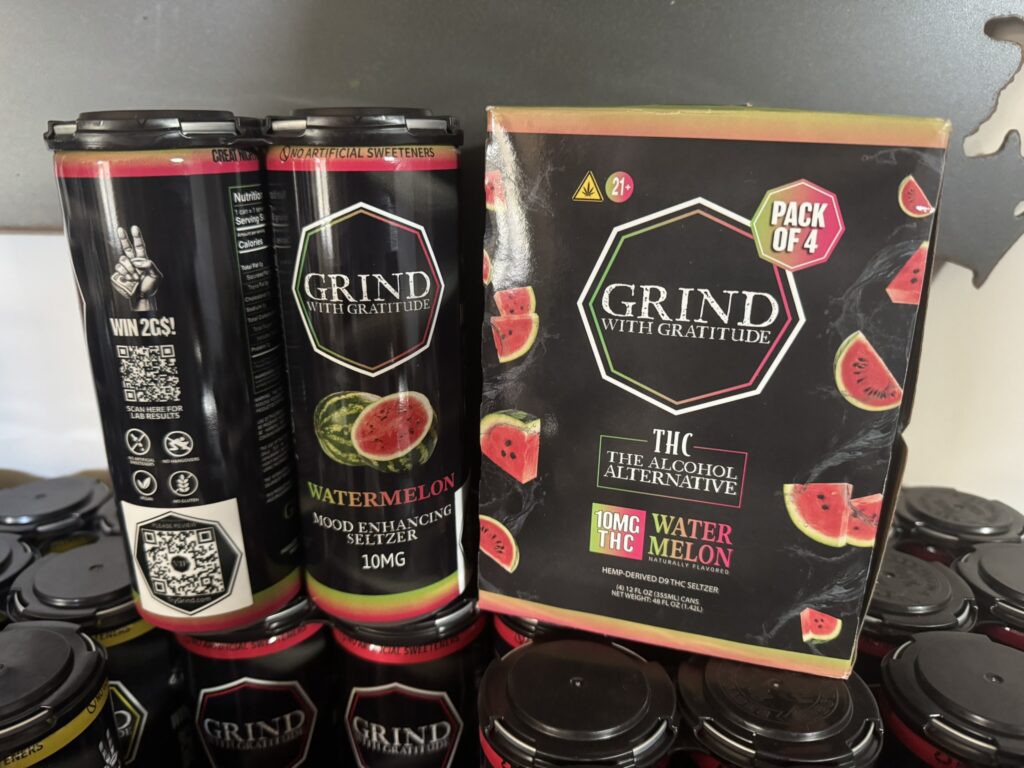
Image 1: Packaging
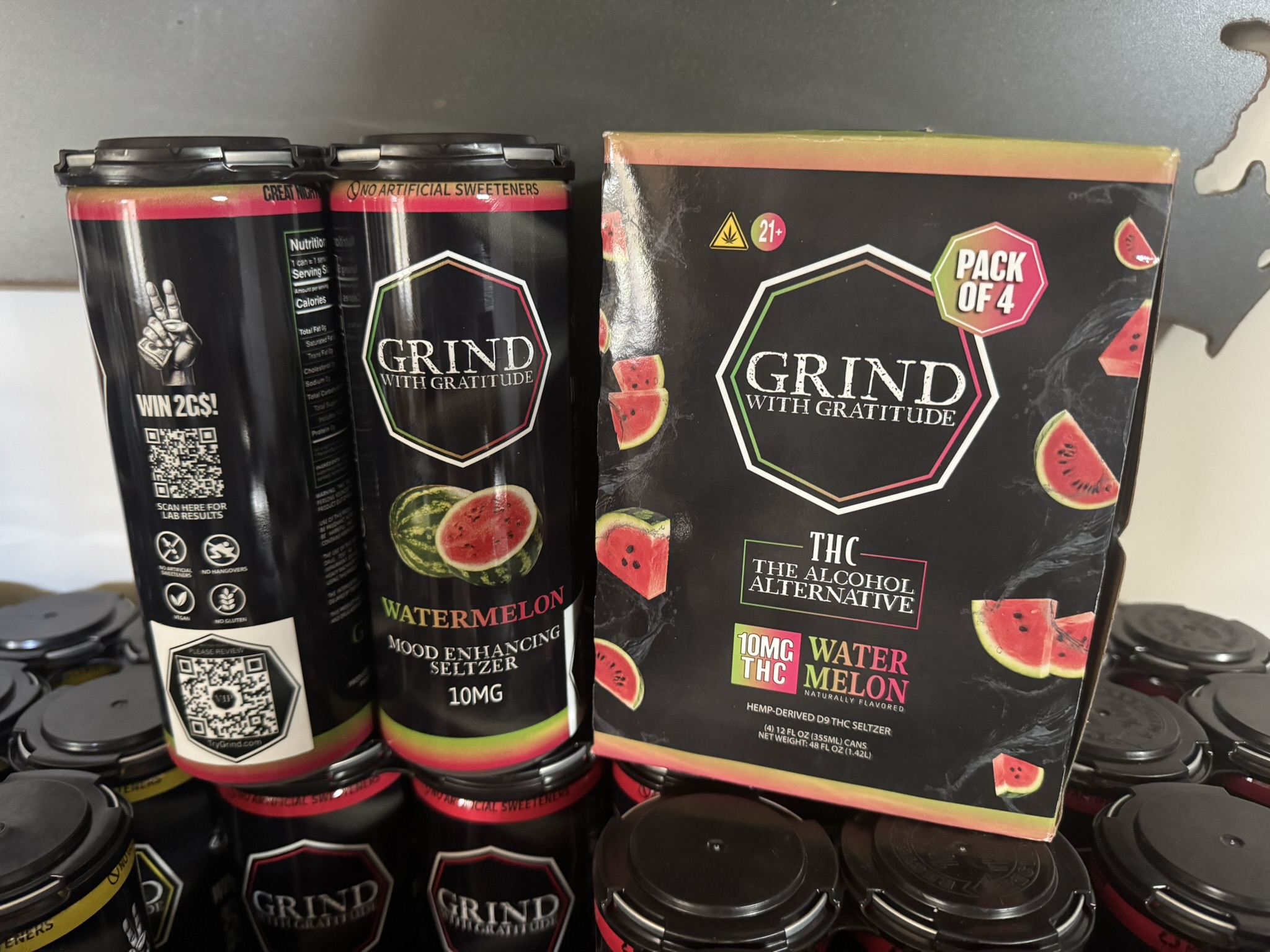
Sample A (Left): Plastic top, open-can 4-pack
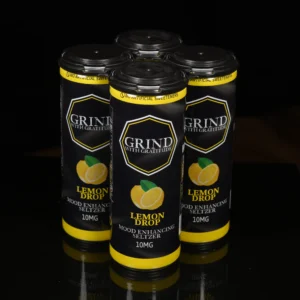
This format immediately feels built for movement. It’s easy to carry, easy to separate, and perfect for building mixed sample packs when sharing with friends. It’s grab-and-go in the truest sense and drops right into a cooler without hesitation. Ice melts, cans get wet, and nothing about the carrier cares. Plastic tops also make it simple to break apart packs on the fly and trade flavors without committing to a full box. From tailgates to backyard hangs, this format feels practical and flexible.
The tradeoff shows up at retail. In displays and on shelves, it takes more effort to consistently face the logo outward, which can slow down merchandising and visual uniformity.
Sample B (Right): Boxed 4-pack
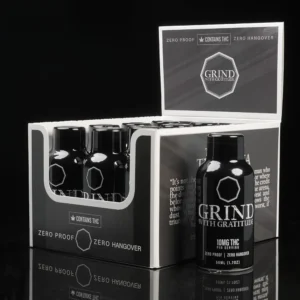
The boxed format brings a different energy. It’s also easy to carry, but it really shines when presentation matters. These look great on a shelf, stack cleanly in displays, and feel especially well suited for gifting, wrapping, or bringing along when you want something that looks finished. QR codes are easier to scan on a flat surface, and the overall presentation feels intentional and polished.
The downside becomes obvious once water enters the equation. Cardboard and coolers don’t mix well, and soggy boxes are no fun. It’s also harder to mix and match cans when sharing or trading since the pack wants to stay intact.
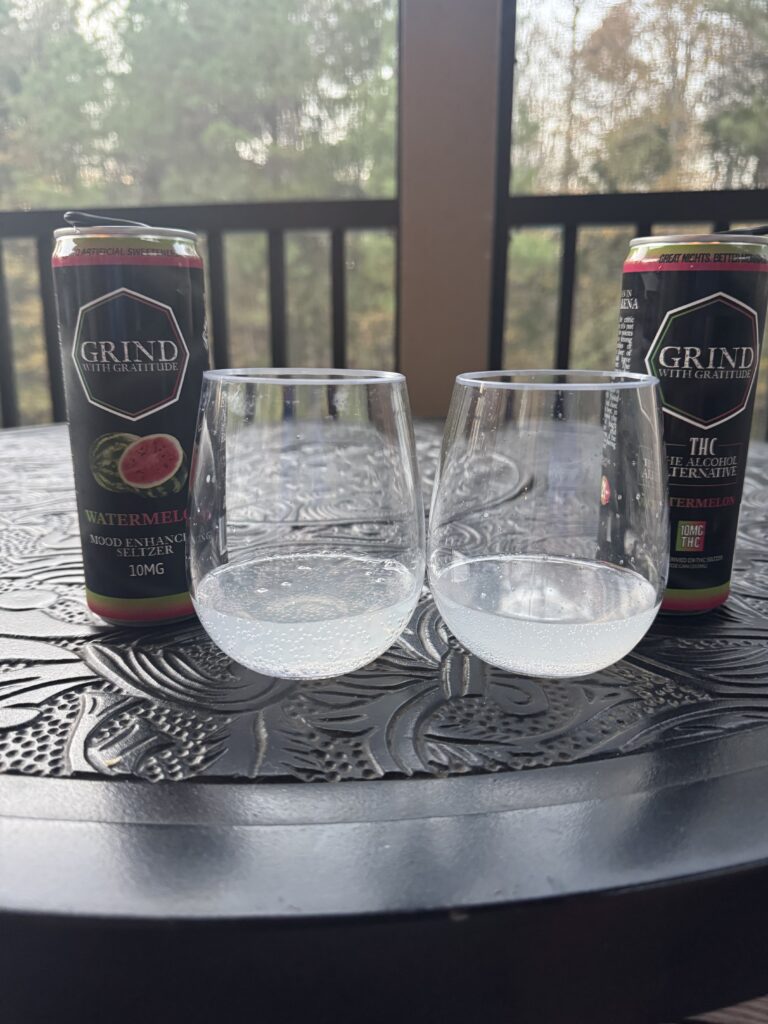
Image 2: The Can Graphics
Sample A (Left): Traditional, original design
The graphics here are familiar and immediately readable. The fruit-forward visuals make it easy to tell exactly what flavor you’re grabbing, even at a quick glance. There’s no guesswork, which works well in busy coolers or crowded settings.
Sample B (Right): Clean, minimal design
This version takes a quieter approach. It’s clean and modern, but the flavor isn’t as obvious at first glance. That said, this design aligns with regulations in states like Florida, where certain graphics are restricted. It’s a clear example of how packaging evolves to meet state requirements while maintaining brand consistency.
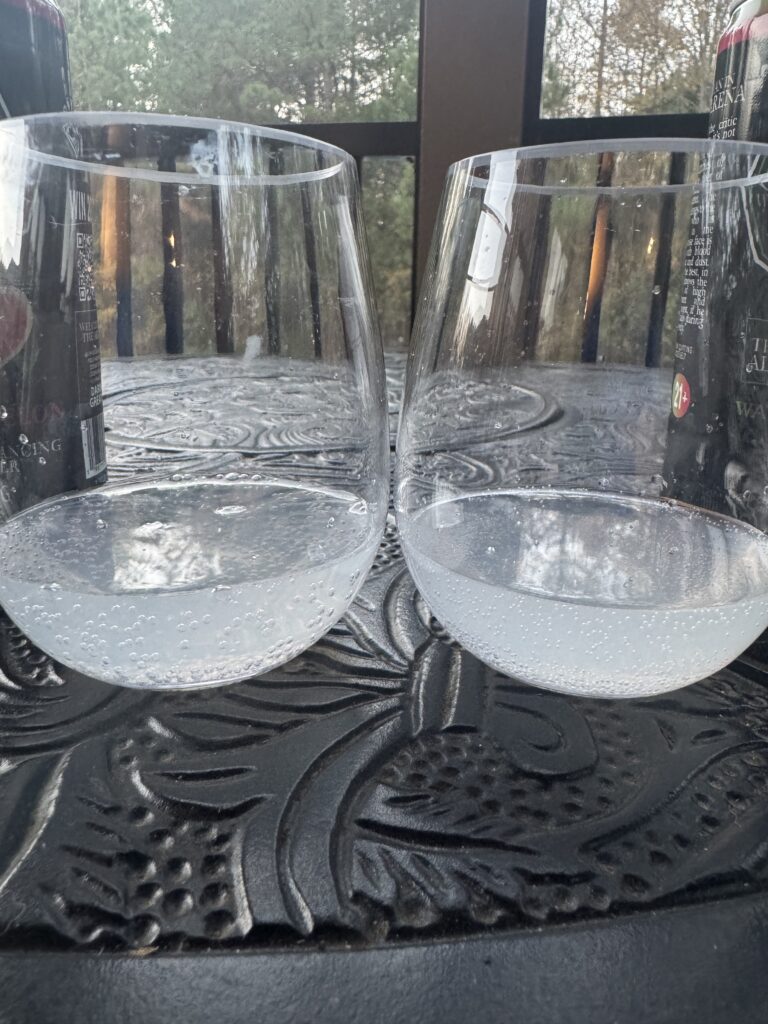
Image 3: The Pour and the Glass
Sample A (Left): Watermelon can, open 4-pack
On the pour, Sample A shows more visible carbonation with larger bubbles rising quickly. There’s a subtle aroma that hints at the THC alongside the watermelon. Flavor-wise, it leans into watermelon with a light earthy note underneath, giving it a more classic GWG profile.
Sample B (Right): Boxed 4-pack, minimal can
Sample B pours with smaller bubbles and slightly less visible carbonation. On the nose, it comes across as fresh-cut watermelon. The flavor is clean, restrained, and not overly sweet or heavy. It finishes drier, which naturally invites another sip and gives it a lighter, more sessionable feel.
Effects (Still Ongoing)
As for effects, more time is needed. Watermelon has historically been one of the most notable flavors in the lineup, so we’re giving each version its own night with nothing else in the system to keep impressions clean. Early takeaway: there is a noticeable difference between the two, even if it’s subtle.
From a flavor perspective, the team leans slightly toward Sample B. It feels more refined and balanced, though both clearly live in the same family.
Feedback from the Top
We shared our thoughts with Bill Tice (Grind with Gratitude CEO), and his response lined up closely with our experience. He noted that most people tend to prefer Sample B and described it as closer to the other styles in the lineup, with more of an essence of watermelon rather than a bold statement. He also pointed out a practical production reality: the co-packer behind Sample B is the larger operation. Smaller facilities often mean limited capacity and more operational challenges, which can show up in subtle ways.
Different paths, same destination. It’s always fascinating to see how production choices, packaging formats, and scale influence the final experience. And it’s a reminder that even when the label reads the same, the story behind the can can still evolve.