

What Are THC Beverages? A Beginner’s Guide
What Is a THC Beverage?
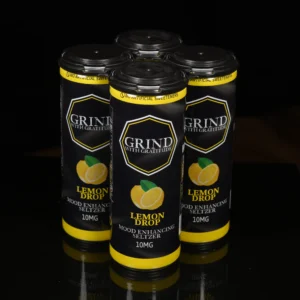
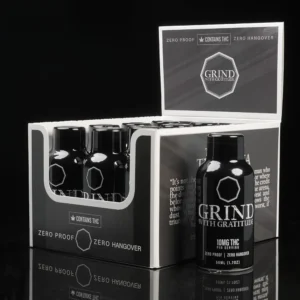
A THC beverage is a drink infused with tetrahydrocannabinol, commonly known as THC. THC is the compound responsible for the psychoactive effects associated with cannabis.
Unlike smoking or vaping, THC beverages are consumed like any other drink. They are typically carbonated or still and come in a range of flavors and dosages.
Most modern THC beverages use hemp-derived Delta-9 THC, which is chemically identical to the THC found in marijuana but sourced from federally legal hemp under the 2018 Farm Bill.
How THC Beverages Are Made
Why Manufacturing Transparency Matters
THC does not naturally mix with water. To solve this, beverage manufacturers use emulsification techniques that allow THC to be evenly distributed throughout the drink. Without proper emulsification, THC can separate, leading to inconsistent dosing and an unpredictable experience.
Many modern THC beverages use nano-emulsification, a process that breaks THC into much smaller particles. Smaller particles remain suspended more evenly in liquid, which improves consistency from sip to sip, enhances flavor, and allows the body to absorb THC more efficiently.
Just as important as how a THC beverage is made is how that process is verified.
What Is a Certificate of Analysis (COA)?
Every reputable THC beverage should provide access to a Certificate of Analysis, commonly referred to as a COA. A COA is an independent laboratory report that verifies what is actually inside the product.
A typical COA confirms:
- The amount of THC per serving and per container
- That the THC content falls within legal limits
- The absence of harmful contaminants such as heavy metals, pesticides, residual solvents, and microbial impurities
COAs are produced by third-party, accredited laboratories and are not created by the brand itself. This independent testing is a critical layer of accountability in an emerging industry.
Many brands make COAs available directly on their product pages or via a QR code on the packaging. If a product does not offer easy access to this information, that should raise questions.
Why COAs Are Especially Important in THC Beverages
The hemp-derived THC beverage category is still in its early stages from a regulatory standpoint. While federal law outlines how hemp-derived THC can be produced, individual states may apply their own rules around manufacturing, testing, labeling, marketing, and distribution.
Because of this, standards can vary:
- From state to state
- From brand to brand
- From product to product
COAs give consumers a way to cut through that uncertainty. They provide transparency in a space where regulations are still catching up to consumer demand.
An Evolving Regulatory Landscape
THC beverages made from hemp are legal at the federal level when they meet specific requirements, but the regulatory framework around these products continues to evolve. Some states have implemented additional restrictions or oversight, while others are still developing clear guidance.
This means that availability, labeling, and retail access can look different depending on where you live.
For that reason, it is always a good idea to:
- Review COAs before purchasing
- Understand your local and state regulations
- Stay informed as laws continue to change
Education remains one of the most important tools consumers have in this category.
A Thoughtful Approach Goes a Long Way
THC beverages are not inherently complicated, but they do require a more thoughtful approach than traditional drinks. Transparency, testing, and informed decision-making matter. Brands should meet consumers halfway by providing clear information, and consumers should feel empowered to ask questions and do additional research when needed.
Why People Choose THC Beverages
- No smoke or vapor
- More predictable dosing
- Discreet consumption
- Faster onset than traditional edibles
- Alcohol alternative for social settings
THC beverages are not designed to overwhelm. They are designed to be approachable.
References
- U.S. Food & Drug Administration (FDA): Cannabis and Cannabis-Derived Compounds
- National Institute on Drug Abuse (NIDA): DrugFacts on Marijuana